In winter mountain running, risk is the chance of facing danger, like injury or bad weather. It involves being aware of these hazards and taking steps to stay safe.
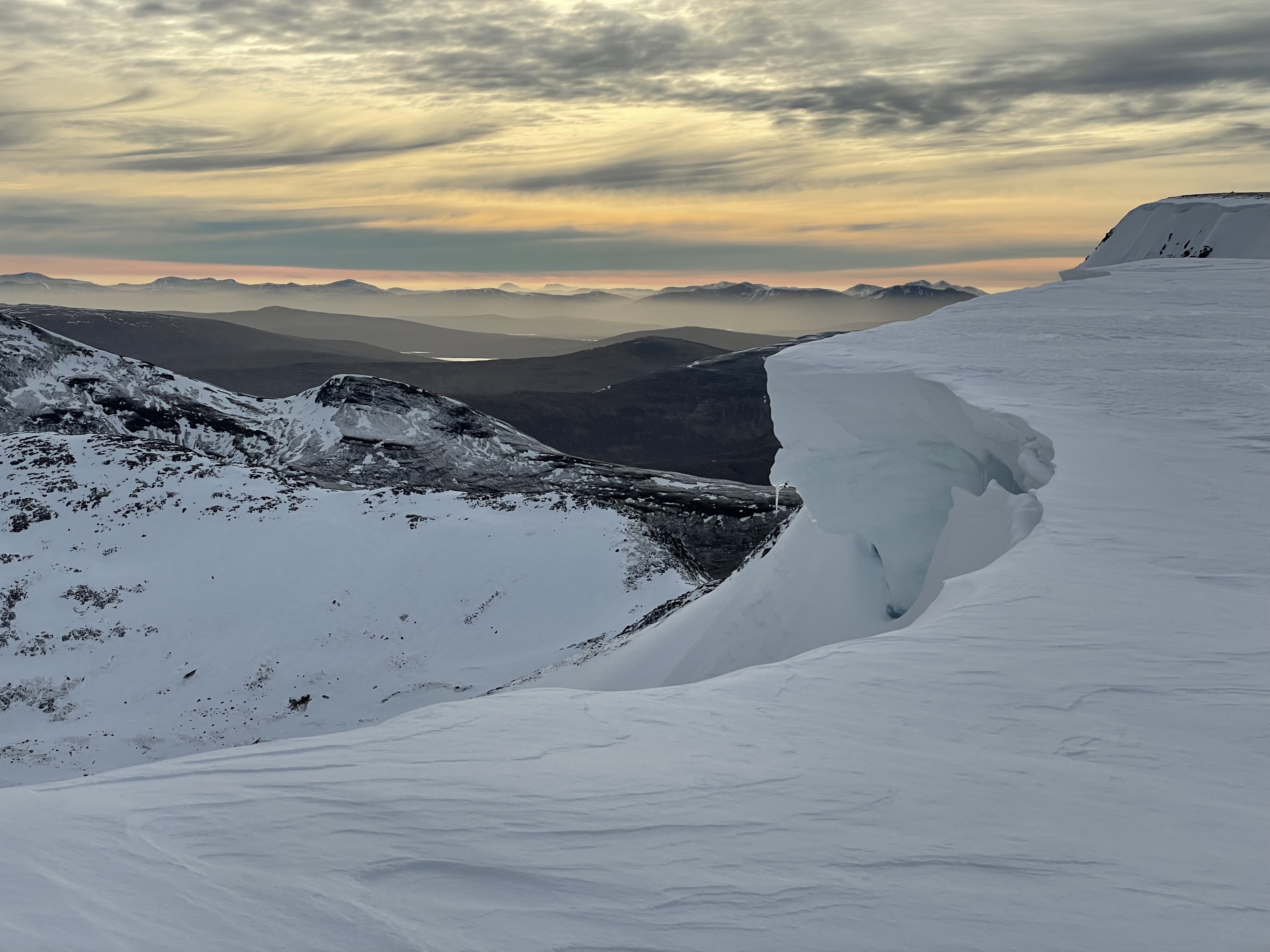
While we don’t want to over-egg the dangers of winter mountain environments, it’s equally critical to be well-informed about the potential hazards and how to mitigate them. By taking simple steps, you can reduce the likelihood of encountering serious issues and still enjoy your time in the mountains.
The main things that can go wrong in winter are:
- Getting Bumped
- Getting Squashed
- Getting Cold
- Getting Lost
Although this sounds like a list of MrMen it is a simple, effective way to think about what’s likely to go wrong on a mountain run. We can then think about how to control the risk while still enjoying time in the mountains.
🤕 Bumped
Getting bumped as a result from a simple trip is possible where ever we go. The more challenging the ground and the faster we move the more consequence to our trip. Being bothered to put on crampons at the right moment or choosing an easier route can help us avoid a long, cold stay on a hillside.
Anything from slight concussion to a broken ankle can quickly escalate into serious situation in winter.
Let someone know your route and expected return time, and make sure they understand to contact Mountain Rescue if you don’t return as planned. This precaution could make the difference between a future anecdote and a eulogy.
🪨 Squashed
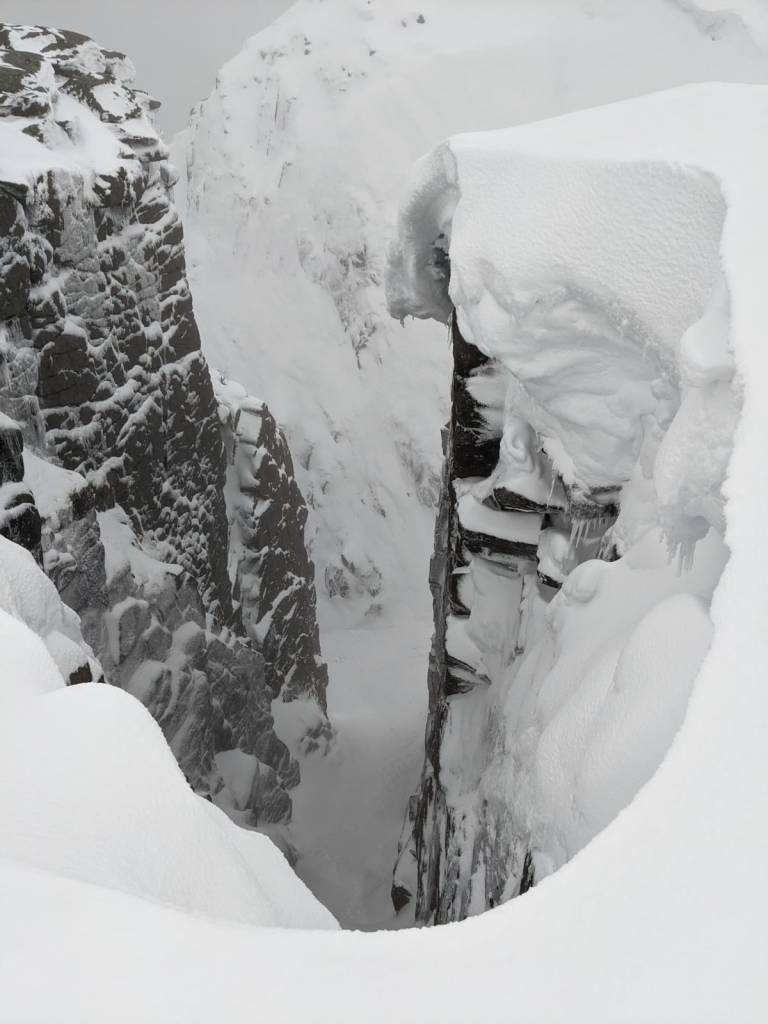
Getting squashed by an avalanche or a falling rock is not a common event but far from impossible. Thankfully with education and planning, you can significantly reduce your exposure to these dangers.
Learning how to assess avalanche risk and identifying unstable terrain are critical skills for winter mountain running.
A great place to start learning about avalanche risk is the Scottish Avalanche Information Service -then you can develop hillside experience on a winter skills course.

🥶 Cold
Getting cold (or more accurately suffering hypothermia) can be a result of getting bumped or squashed. A more likely scenario, is simply misjudging weather conditions and not carry enough food or clothing to cope.
Sometimes all you need is an extra layer and a snack and you’ll quickly warm up. Carry extra that you don’t intend to wear or eat on your run and you’re already stacking the odds in your favour.
If things have gone seriously wrong and you can no longer get yourself off the hill it’s time to get into that emergency blizzard bag you’ve been carrying.
🧭 Lost
Getting lost can feel scary and can put you in harms way. If you’re lost the chances of being bumped, squashed or becoming cold increase dramatically.
Becoming lost could force you to take a much longer route than initially planned. Leaving you tired (you’ll start to make worse decisions) and potentially unable to complete your journey.
Navigation is a key skill for mountain goers. Becoming particularly challenging in a winter environment where daylight is limited and visibility can often be low.
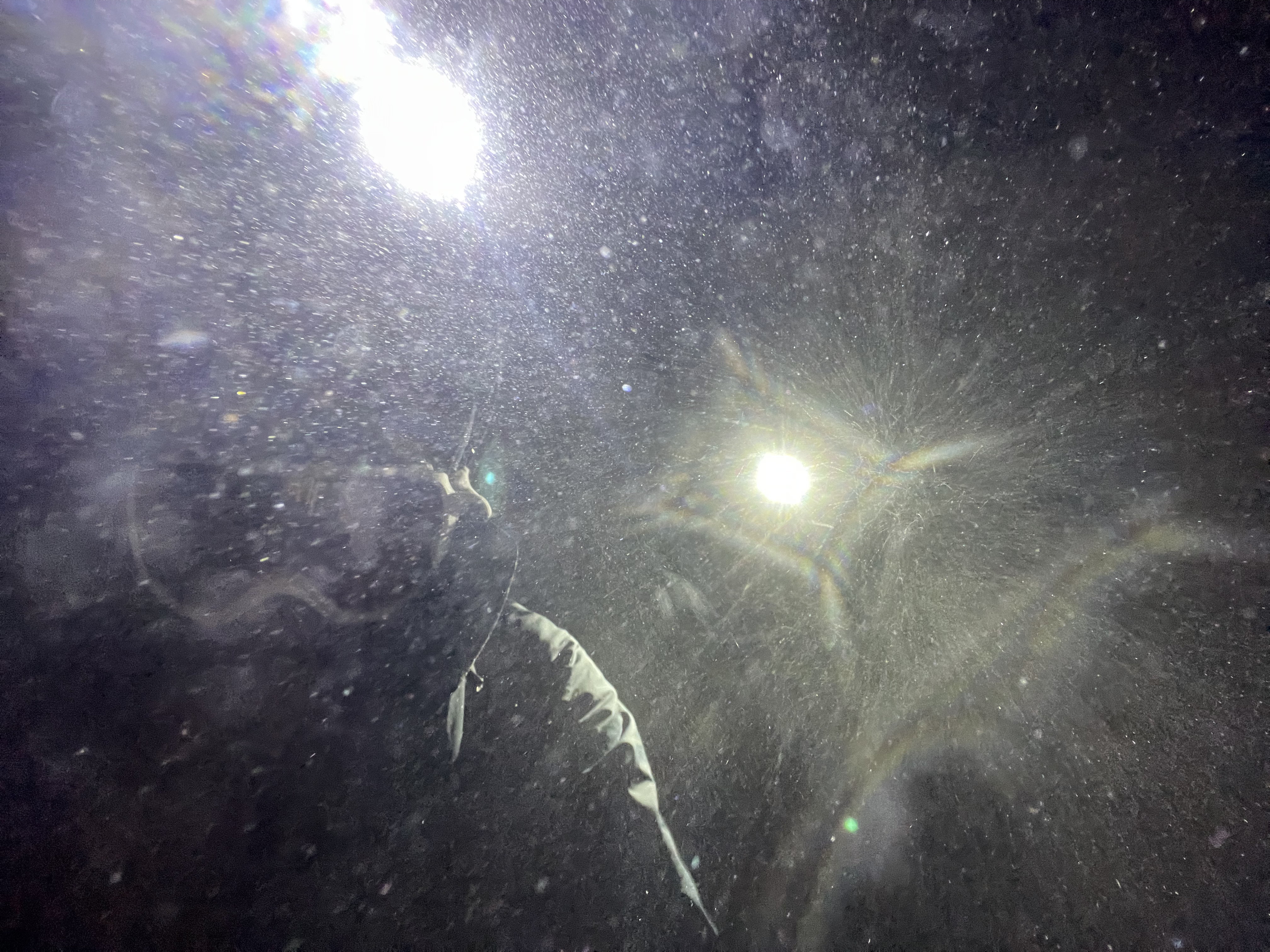
By practicing our navigation skills in the evenings in autumn and taking the right equipment (head-torch, back up mapping etc.) we can drastically lower the likelihood of getting lost and walking off a cliff.
Taking a navigation course will drastically increase your learning rate.
Education
Education is a key part of keeping yourself safe in the mountains. Learning how to recognise weak snow bridges, understanding avalanche terrain, and knowing when to use crampons are all skills that can transform a potentially high-risk activity into an enjoyable day out.
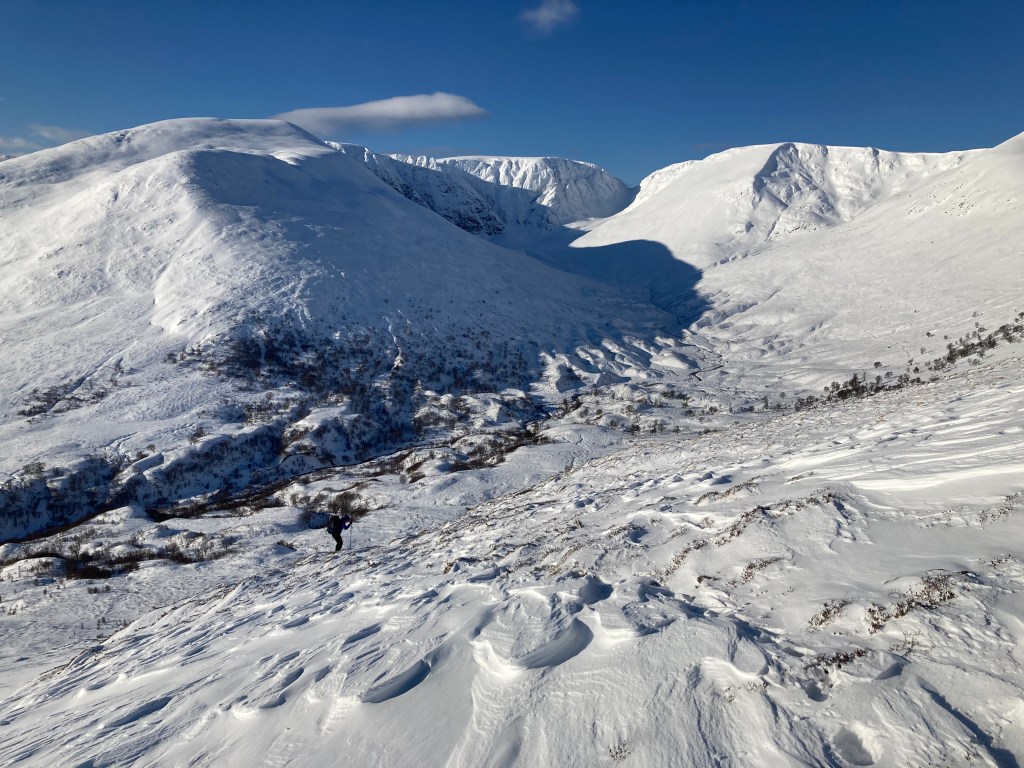
Develop practical mountain skills on the
Winter Skills Course for Runners.
It’s worth remembering that fatal accidents in the Scottish mountains are uncommon. If you take some simple steps like checking the forecasts, carrying emergency kit, telling someone where your headed and up-skilling yourself you’ll be considerably safer out in the mountains.
Understand and respect the nature of winter and it’s highly likely you’ll enjoy many memorable days out in the Scottish hills.
 WinterSkills.Scot